
Fun Ancient Rome Activities and Ideas for Kids
I earn a commission from products purchased through links in this post.
Kids usually study ancient civilizations, like Ancient Rome, at some point in elementary school history. The Roman Republic began in 509 BCE and ended around 27 BCE. This time period lasted almost 500 years!
These Ancient Rome activities will keep kids interested while they learn about this ancient culture.
Ancient Rome Activities and Ideas for Kids

Make a Roman Feast
My kids seem to learn through their stomachs, so I like to incorporate food into lessons whenever possible. It really helps hold their attention.
Exploring foods that were frequently eaten can be a wonderful way to explore a culture. It ties in a bit of geography as we learn what types of food were available locally.
Citizens of Ancient Rome ate plenty of cereal grains, beans, and vegetables. They also consumed dairy, eggs, fish, meat, fruit, and nuts. The Smithsonian Museum of Natural History put together a graph to show how much each type of food is in the diet.
The Tasting History with Max Miller channel on YouTube has a few episodes dedicated to Ancient Roman meals. This channel is an interesting blend of a cooking show and a history show. The videos are not designed for kids, but I think many kids could follow along.
The A Taste of Ancient Rome cookbook by Ilaria Gozzini Giacosa is a well-rated cookbook that features Ancient Roman recipes that are updated with modern ingredients.

Last update on 2026-09-16 / Affiliate links / Images from Amazon Product Advertising API
Build Roman Numerals with Gummy Worms
Roman numerals originated in Ancient Rome. This system uses letters from the Roman alphabet to represent numbers. Roman numerals are frequently taught as part of a math curriculum, but it makes sense to include them in Ancient Rome lessons, too!
Most Roman numerals are made up of straight lines, but there are two that have curves. We can practice forming Roman numerals with the help of gummy worms! This candy is typically straight but is flexible enough to bend when needed.
- 1 = I
- 5 = V
- 10 = X
- 50 = L
- 100 = C
- 500 = D
- 1000 = M
This Homeschool Pop YouTube episode explains how the numerals can be combined to form numbers other than just 1, 5, 10, etc. The video only uses the Roman Numerals I, V, and X, but the concept is the same.
After you explain, or refresh your child’s memory about Roman Numerals, ask them to build the numeral using gummy worms. At first, you might want to have the symbols on display as they form the numerals. Students can work towards being able to form the numerals from memory.
Gummy worms are a fun way to teach Roman numerals.
Cookie Colosseum
If you want to be really creative and love cookies, challenge your kids to build a model of the Colosseum out of cookies. Here is an example of a cookie Colosseum made using Tim Tam cookies and melted chocolate.
This looks like the kind of project that could get out of control fast, so I recommend having all of the kids who will be working on the project make a plan before beginning.
They will need to think through their materials. What cookie will be the ideal shape and strong enough to support additional levels? How will they ‘glue’ everything together? Do they have a picture of the Colosseum to follow?
Students will also need to decide on the size of the Colosseum model. Do they have enough materials?
I also recommend that they agree on what to do with the model before they start working. This can help avoid arguments later. Will they begin eating it right away? Will they display it for an agreed-upon time before eating it? Will it be eaten at all?
Make a Roman Arch
While students are looking through books about Ancient Rome, they might begin to notice a recurring type of architecture, the Roman arch.
The Roman arch is visible in many iconic Ancient Roman buildings:
- Colosseum
- Aqueducts
- Triumphal Arch of Constantine
Kids can try making their own Roman arch! This hands-on activity will help them understand a little bit of the physics behind how this arch can stand without any adhesive.
There are a few ways kids can try making their own Roman arch:
Compare Roman Mythology and Greek Mythology
The mythology of Ancient Rome is hard to ignore. It can be seen in artwork and literature produced in the ancient world. Kids often enjoy learning about the mythology of past cultures.
There are many similarities between Roman mythology and Greek mythology. This is thought to be because Greek mythology and culture influenced Roman culture. Books can be a great way to learn about both cultures’ myths. It won’t take long for kids to begin looking for similarities and differences.
This can be a great way to transition from studying one ancient culture to another.
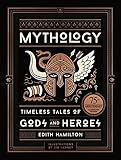
Mythology: Timeless Tales of Gods and Heroes by Edith Hamilton
Last update on 2026-09-16 / Affiliate links / Images from Amazon Product Advertising API
This highly rated book includes mythology from Roman, Greek, and Norse cultures. A compilation is a great choice if you plan to study these ancient civilizations in your homeschool.
Make Roman Streets
The Ancient Romans did not invent roads, but they did come to be a symbol of the power of Rome. Rome built a vast system of roads to connect towns. This made travel easier, both for ordinary citizens and the Roman military.
Ancient Roman roads were very well-engineered. They consisted of multiple layers and drainage.
Making Roman streets is a hands-on project that will help kids understand that there was more to this engineering task than just cutting a path through the dirt.
There are a few ways to make models of Roman streets:
Make an Ancient Rome Rice Krispies Map
Rice Krispies maps can be a fun way to explore the geography of an area. Check out this post to see how to make a map out of Rice Krispies.
You can tailor the activity to the age of your students, but for middle schoolers or high school students, I would mark the following places on the map:
- Western Roman Empire
- Eastern Roman Empire
- Mediterranean Sea
- North Africa
Ancient Rome Resources for Kids
Books
Magic Tree House #13, Vacation Under the Volcano by Mary Pope Osborne

Last update on 2026-09-16 / Affiliate links / Images from Amazon Product Advertising API
This Magic Tree House chapter book follows the fictional characters Jack and Annie as they race through Ancient Pompeii. They arrive in this ancient city on the same day as the legendary volcanic eruption! Jack and Annie quickly work to find a library before it is destroyed.
The Magic Tree House Fact Checker book is a great companion to this story.
The Magic Tree House website has a great teacher resource section with free activities to accompany many of the books. Vacation Under the Volcano resources are:
- Latin Isn’t Dead Activity
- Greek and Roman Gods Activity
- Educator Guide with suggested activities
See Inside Ancient Rome by Katie Daynes


Last update on 2026-09-16 / Affiliate links / Images from Amazon Product Advertising API
This Usborne book is sure to keep young children engaged as they learn about Ancient Rome. There are over 50 flaps to lift to let kids see into the buildings.
Videos
Travel with Kids, Season 5 Episode 3: Rome, Italy for Kids
When my kids were young, we began watching the Travel with Kids series on Amazon Prime. In this series, a family with two elementary-age sons travels the world. They document the realities of traveling with children in a way that appeals even to kids. I’m pretty sure my kids wanted to be on this show!
In this episode, the family explores Rome, shops for local food, learns about the local history, and even attends Gladiator school. The next episode, episode 4, follows the family as they visit Vatican City.
TED-Ed offers a few short videos about Ancient Rome:
- Four Sisters in Ancient Rome
- A Glimpse of Teenage Life in Ancient Rome
- Ancient Rome’s Most Notorious Doctor
- The Romans Flooded the Colosseum for Sea Battles
- The Life of Spartacus
- The Great Conspiracy Against Julius Caesar
Please preview any video that you plan to show your students. Every family has different standards for appropriate content. While TED-Ed videos are based on history, they might contain content that you prefer not to show.
Virtual Field Trips
My husband and son went on a field trip to Rome, Italy, in the fall and had an incredible time. They were amazed at all of the historical sites that could be seen just walking around town. Flying to Rome isn’t always possible, though, so I wanted to be sure to share a few virtual field trips of Roman attractions.
Kids of all ages enjoy taking virtual field trips as part of social studies lessons.
Google Arts and Culture – Google Arts and Culture offers a few virtual tours of popular Roman historical attractions. You can simply watch the slides or use your computer cursor or trackpad to move around. Google Arts and Culture is a great resource because it features some of the best places for virtual field trips around the world.
Pantheon – This virtual tour of the Pantheon can be viewed on its own or you can listen to the audio track for additional information. I do want to note that I have not listened to the audio track, so I recommend previewing it before letting children listen.
360 Stories – 360 Stories allows you to have an immersive experience by viewing photos and videos shared by tourists of popular attractions. You essentially feel like you are part of the crowd. A few of the attractions include:
- Colosseum
- Roman Forum
- Circus Maximus
- Trevi Fountain
- Pantheon
- St. Peter’s Basilica
Roman Baths – PBS allows visitors to take a virtual tour of the Baths of Caracalla. This is the second-largest Roman public bathhouse. A bathhouse was part of daily life in Ancient Rome. It functioned as a place for Roman people to get clean, a community center, a gym, a bar, and a performance center.
Visitors can see:
- Entrance
- Toilets
- Palaestra (Fitness center)
- Apodyterium (Changing room)
- Tepidarium
- Caldarium
- Frigidarium
- Art
- Food and Drink
There is only one photo for each section, but I still found it interesting.
Related: Amazing Virtual Field Trips for Kids
Website
Usborne Quicklinks – Usborne Quicklinks are intended to supplement the Usborne books, but they can also be a great resource. Type in the topic you are looking for in the search bar and then see what resources show up.
A few Usborne books feature Rome. To find these resources I used the search terms ‘Rome’ and ‘Roman’.
- Visitors’ Guide to Ancient Rome
- Roman Britain
- Roman Patterns
- Encyclopedia of the Roman World
- Sticker Romans
- Who Were the Romans
Interactive Punic Wars – Students can click around on the map and interactive timeline to learn more about the Punic Wars.
These activities and ideas are a great addition to an Ancient Rome unit study! Add your favorites to your Ancient Rome lesson plan.
Kep reading . . .
- Ancient Egypt Activities for Lesson Plans
- Important Things to Teach in Elementary History
- Salem Witch Trials Books for Kids
- 5 Totally Free History Curriculum Options
- Unique History Books for Kids Who Don’t Like History
- Learning American History Through Literature
As an Amazon Associate I earn from qualifying purchases.