
Activities for Weather Lesson Plans for Kindergarten
This post may contain affiliate links.
Understanding the basics of weather is a common learning objective for kindergarten students. We experience weather every single day of our lives, so it is a natural science topic for young children. When my kids were in early elementary grades I didn’t use a science curriculum. Instead, I put together units that covered topics they were curious about. These activities are a great addition to weather lesson plans for kindergarten.
I researched kindergarten standards of learning for a few states to find the weather-related learning objectives for kindergarten:
- Use simple instruments to collect and record data on elements of daily weather
- Quantitative observations of different kinds of weather conditions (sunny, rainy, cloudy, snowy, windy, foggy, etc.) over a period of time
- Obtain and use weather forecasts to prepare for and respond to different types of weather
- Compare seasonal weather patterns
Of course, we can teach more than just these objectives, but they give us a framework to make sure we are not missing anything.
These activities are a great addition to any kindergarten, or even preschool or 1st grade, weather unit study.
Activities for Weather Lesson Plans for Kindergarten

Weather Instrument Color By Number Worksheets
This free set of printable worksheets is a great way for kids to learn to identify weather instruments while also practicing number recognition and reading color words.
Kids will identify numbers 1 – 9 and match the numerals with a color word. Then they will color every space with that numeral the directed color. Once the page is fully colored, the weather instrument will be easy to see.
This worksheet packet includes a page for:
- Thermometers – Measure temperature
- Rain gauge – Measures the amount of rainfall
- Anemometer – Measure windspeed
- Hygrometer – Measures humidity
- Barometer – Measures atmospheric pressure
- Weather vane – Measures wind direction
There is also an answer key for each page included in the free download.
Kids will need crayons, colored pencils, or markers to color in each space. The colors they will need are:
- White
- Red
- Gray
- Green
- Brown
- Sky blue
- Orange
- Blue
- Black
- Yellow
- Dark gray
Weather Conditions Graph
Talking about the daily weather is a pretty standard part of most kindergarten morning work, circle time, or calendar time routines.
We can use a weather chart or a graph to make ‘quantitative observations’ about local weather trends. Some people like to use calendar weather cards to note the weather, but when I was a classroom kindergarten teacher I liked to have my kids make a monthly weather graph.
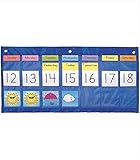
- MULTI-PURPOSE LEARNING TOOL: Ideal for classroom or homeschool learning, Caron Dellosa’s Weekly Calendar and Weather Pocket Chart helps students learn and…
- DIMENSIONS: This 25-inch x 13-inch pocket chart features durable, flame-retardant material that can withstand years of use, and 25 sizeable pockets to…
- WHAT’S INCLUDED: This set includes 21 clear pockets, 7 colorful day-of-the-week cards, 7 abbreviated day cards, 31 number cards, and 56 weather condition…
Last update on 2026-07-25 / Affiliate links / Images from Amazon Product Advertising API
Making a monthly weather graph is a great way to combine math skills with science. Every day take a moment to observe the weather. Then fill in the appropriate rectangle on the weather bar graph.
As the month goes on, kids can practice reading the graph. They can determine which type of weather occurred most frequently and least frequently.
A weather journal can be a helpful way to track daily weather if you are short on space.


Last update on 2026-07-25 / Affiliate links / Images from Amazon Product Advertising API
Make Rain Gauges
Making a rain gauge is a hands-on way for kids to collect weather data. The DIY rain gauge from The Homeschool Scientist uses a glass mason jar, so it should last for multiple seasons.
Kindergarten students and other young students will need help with the knife and the gorilla glue, but once it is constructed, they should be able to use the weather gauge with a minimum of help.
Dress Weather Bear
Knowing how to dress appropriately for the weather is one-way kids can show that they can “prepare for and respond to different types of weather”. Of course, kids can dress themselves, but kindergarteners typically only have seasonally appropriate clothing available. I know when my kids were young I removed their summer clothing from their dressers when the weather turned colder and I’m sure I’m not the only parent to do that.
Dressing a weather bear can be an easy way for kids to practice this skill. After they determine the weather for the day, they simply choose weather-appropriate clothing to place on Bear. For example, a rainy day would be the perfect time for Bear to wear his raincoat and boots.

- includes: 1 background and 18 felt figures
Last update on 2026-07-25 / Affiliate links / Images from Amazon Product Advertising API
Kids can practice reading a weather forecast too by looking at the forecast and then choosing clothes for Bear to wear each day.
Weather Books
Playing Through the Seasons Series by Essie Bell
The Playing Through the Seasons Series of books teaches kids about each season. The pages feature rhyming sentences. There are only a few lines of text on each page, which is perfect for young children.
This picture book series can help kids compare seasonal weather patterns.

Last update on 2026-07-25 / Affiliate links / Images from Amazon Product Advertising API
Crunchy Leaves, Cozy Sweaters tells a cute story of a father, his son, and their pet chicken spending fall days on their farm.

Last update on 2026-07-25 / Affiliate links / Images from Amazon Product Advertising API
Cold Noses, Crisp Air tells the story of a mother, her son, and their pet dog enjoying winter days exploring the countryside.

Last update on 2026-07-25 / Affiliate links / Images from Amazon Product Advertising API
Budding Flowers, Breezy Days tells the story of a dad, his daughter, and their pet turtle enjoying the city in the spring.

Last update on 2026-07-25 / Affiliate links / Images from Amazon Product Advertising API
Warm Sun, Wet Toes tells the story of a mom, her two daughters, and their pet bird having fun lakeside in the summer.
National Geographic Kids Weather by Kristin Baird Rattini

Last update on 2026-07-25 / Affiliate links / Images from Amazon Product Advertising API
This informative nonfiction book is a great way for preschool and kindergarten children to learn about a variety of types of weather. There are plenty of engaging photographs to hold kids’ attention.
This is a great book to read as part of your weather lesson plans, but it can also be a great reference to answer weather-related questions.
See Inside Weather and Climate by Usborne
No products found.
This lift-the-flap book is sure to keep kids interested. There are over 100 flaps to lift! Kids can look inside a thundercloud, follow the path of a hurricane, and more. Books like this can help students understand the science behind their favorite weather conditions.
Freddy the Frogcaster by Janice Dean

Last update on 2026-07-25 / Affiliate links / Images from Amazon Product Advertising API
This weather book was written by a professional meteorologist. It tells the story of Freddy, a young frog who is obsessed with the weather. A surprise storm catches the town off guard during a picnic, but Freddy saves the day.
Weather Words
Displaying weather words on a word wall can be a great way to combine science and language arts. Building new words helps build familiarity with the words, but it also helps strengthen phonics. I love when we can combine literacy skills with other subjects!
Kids will practice sounding out and reading the words as they put the letters in the correct place.
The weather words can be used in a few ways.
Shaving cream writing – Kids can practice copying the weather words on a tray of shaving cream. This sensory activity can be a fun way to practice writing!
Magnetic letters – Building words with magnetic letters was a favorite language arts center in my kindergarten classroom. I would display the words at the top of a magnetic whiteboard and the students would build the word.

- Ample Letters Set: The sturdy storage box contains 234 letters(182 lowercase letters, 52 uppercase letters), one double-sided magnetic writing board…
- Practical Teaching Tools: Good-quality, double-sided magnetic writing board not only can be stuck with letters, but also can be written and drawn on. It is…
- Flawless Details: Each square box has a corresponding letter code that allows the child to learn to distinguish and classify. Perfect set for small group…
Last update on 2026-07-25 / Affiliate links / Images from Amazon Product Advertising API
Playdough letters – Playdough can be rolled and then shaped into letters. If kids shape the right letters they can form words. This activity works best with short words, so it might be a good idea to be selective about which weather words the kids build.

- Package includes: 1400pcs letter beads which are sorted by a 28-cell grid container, each beads are 50pcs.
- Bead size: Diameter-7mm/0.27 inch,Thickness-4mm/0.16 inch,Hole-1mm/0.04 inch.
- Each letter bead is made of advanced paint spray & grinding technology results in smooth beads with clean bead sides and holes.
Last update on 2026-07-25 / Affiliate links / Images from Amazon Product Advertising API
Some kids really enjoy building words with alphabet beads. Kids can string the beads on a string to make bracelets, but that isn’t necessary. Kids can also just build the words on the table by putting the beads in the correct place. Manipulating these small beads can help strengthen fine motor skills.
Magic School Bus Weather Lab
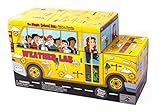
- Great hands on learning and educational science STEM kit for boys and girls which encourages STEM learning for ages 5+
- Ms. Frizzle from The Magic School Bus makes science an exhilarating experience and kids can follow along with The Magic School Bus books from Scholastic…
- Young Scientists make their own weather station, recreate the water cycle, make a tornado in a bottle, and much more
Last update on 2026-07-25 / Affiliate links / Images from Amazon Product Advertising API
The Magic School Bus Weather Lab can be a great resource if your kids enjoy doing science experiments. I know that I am always more likely to do science experiments if the materials are already in my home. Science kits like this one make that easy!
This science kit will show kids how to do simple weather-related science experiments and activities such as making a tornado, recreating the water cycle, and making a weather station.
Rabbit Trails Through Homeschool has an elementary weather science curriculum available. This could be a great option for a family who would like someone else to write up the weather lesson plans.

This curriculum is designed to last 16 weeks, or half of the school year, but you can work at your own pace. The topics include:
- Meteorology
- Seasons
- Clouds
- Wind
- Rain
- Snow
- Severe weather
- Climate change
This curriculum combines great books with hands-on weather activities.
I hope these activities for weather lesson plans for kindergarten help you put together a great weather science unit!
Check out these other kindergarten posts:
- Homeschool Kindergarten: Your Complete Guide to Teach Your Kindergartener at Home
- How to Teach Tornado Safety to Kids
- How to Teach Earthquake Safety to Kids
- How to Teach Fire Safety to Kids Without Scaring Them
- Fantastic Factual Skeleton Books for Kids
- Arctic Animal Activities for Kindergarten Centers
- Kindergarten Calendar Wall: Great Options for Home
As an Amazon Associate I earn from qualifying purchases.