
Useful {and Fun!} Homeschool Co-op Class Ideas
I earn a commission from products purchased through links in this post.
Homeschool co-ops can be a great experience. Sure, it can take a bit of time to find the right one for your family, and sometimes you have to form your own homeschool co-op, but it can be worth it.
Homeschool co-ops can be great because they:
- Provide socialization opportunities with small groups of kids
- Let kids learn from parent volunteers or teachers who are not their parents
- Give homeschool parents a break
- Offer classes that might be difficult or impractical to teach at home
Over my many years of homeschooling, we have participated in several different homeschool co-ops. We have homeschooled in Virginia (2 different neighborhoods), Washington (2 different towns), and North Carolina. It has been interesting seeing the wide variety of classes offered.
Sometimes, when parents are forming a homeschool co-op, they need class ideas. Deciding what to teach can be tough!
These homeschool co-op class ideas will help you choose the best classes for your homeschool group. My hope is that you will tailor these homeschool co-op class ideas into an educational experience that is perfect for your students.

Homeschool Co-op Class Ideas
Language Arts
Letter of the Week – A letter of the week co-op class is great for preschoolers and younger children. They can be introduced to letter sounds, letter formation, and even simple letter partners (digraphs).
Books with Snacks – Books with snacks are an easy way to get kids interested in books. They listen to a picture book and then make or decorate a snack that pairs well with the book.
Related: Christmas Books with Snacks
Harry Potter Literature – My daughter enjoyed this co-op class when she was in middle school. The class read the books, discussed them, and then watched the movies. The kids enjoyed the books and had a great time discussing everything. I always made one of these Harry Potter treats on movie days.
Poetry Teatime – We have enjoyed poetry teatime as a family for more than a decade, but my daughter participated in a poetry teatime with our homeschool co-op a couple of times. When I hosted the poetry teatime, I used the poetry teatime from Literary Adventures for Kids. It made planning so easy! This is a homeschool co-op class that works for all ages – even younger kids can participate.

Book club – My daughter wants to be a librarian, so it is no surprise that she has always loved her homeschool book club. A book club is a homeschool co-op class that is pretty easy to orchestrate. Book clubs can be tailored to fit the interests of the participants.
Creative Writing – Some kids need a little push to write creatively. This co-op class idea can be tailored to fit any grade level.
Related: A Pirate’s Guide t’ th’ Grammar of Story: A Creative Writing Curriculum Review
Film Literature – A film literature class explores how literature is turned into movies. This can be an interesting option for high school kids who have an interest in drama.
Poetry and a Movie – This is another class that my daughter took with our local homeschool co-op. They met twice a month. At the first meeting, they would discuss the selected poems. They would watch the movie during the second meeting. This is a great option if you want lesson plans that lay out the instructions for you. This course is intended for high school students.

Science
Messy Science Experiments – A messy science experiments co-op class is fun for elementary and middle school students. Just make sure you have access to an easy-to-clean space like a kitchen or outdoor area! Parents will appreciate their kids doing fun, messy science experiments somewhere other than home.
Magic Schoolbus – Magic Schoolbus is a science co-op class idea for elementary-age kids. Each class, they read a Magic Schoolbus book and then do related activities.

Last update on 2026-10-19 / Affiliate links / Images from Amazon Product Advertising API
Marine Biology – Marine biology can be tailored to the needs of the homeschool co-op. It can be a simple ocean life study for young kids or a full high school science credit for older kids.
Chemistry – Chemistry is a great high school science co-op class. Most kids need a lab science class on their high school transcript. Doing the class as a group makes sense because it lets you split the cost of materials among multiple families.
Related: Real High School Chemistry Labs at Home
Biology – Just about every high school student takes biology, so it is a useful class to offer if your homeschool co-op has a lot of high schoolers.
Related: Favorite High School Biology Labs
Physics – Many parents find it tough to teach physics, so a co-op class is a great way for students to learn from a talented teacher.
Earth Science – Earth Science is a traditional middle school and high school science class.
Astronomy – Astronomy is a fun science class to offer. It can be tailored to any age range. Maybe you can even take a field trip to a planetarium!
Forensic Science – Forensic Science is an interesting science elective class for high schoolers. They learn about the intersection of science and criminal justice through project-based learning.

- Students build unmatched deductive-reasoning skills as they become crime-solving stars
- Most scenarios have more than one plausible outcome, allowing individuals or groups to broadly interpret evidence
- Includes interpretive handwriting, body language, fingerprinting, and many more activities

Last update on 2026-10-19 / Affiliate links / Images from Amazon Product Advertising API
Related: Fun Forensic Science Activities for Kids
Math
Hands-On Math – Some kids learn math best when they have a chance to learn through hands-on projects. These sorts of math classes are great to supplement a full math curriculum at home.

Last update on 2026-10-19 / Affiliate links / Images from Amazon Product Advertising API
Math Games – Math games are another great way for students to practice their math skills. Homeschool co-op classes that involve games can be a hit because there are other kids to play the game.
Related: 7 Fun and Educational Math Games for Kids
Math Art – Math is all around us – even in art! This math elective is a fun way for artistic children to see the connection. It might even convince math-reluctant kids that they like this subject!

Last update on 2026-10-19 / Affiliate links / Images from Amazon Product Advertising API
Pre-Algebra– Pre-Algebra is a math course that is traditionally taught in 7th or 8th grade. Some kids can skip it altogether, but it helps provide a solid foundation to teach more advanced math topics.
Algebra – Algebra is typically taught in 8th or 9th grade. Math co-op classes at this level are typically taught by parents who enjoy math and use it professionally or by certified teachers.
Geometry – Geometry is a high school class. It is sometimes taught before Algebra, but most commonly taught between Algebra and Algebra 2.
Algebra 2 – Many parents are nervous about teaching advanced high school math, so offering it at a homeschool co-op can be a great option.
Pre-Calculus – Pre-Calculus is usually the highest level of math taught in a homeschool co-op. Not all students take math beyond this level in high school, and those who do frequently use dual enrollment.
History and Geography
Geography – Geography can be a really fun homeschool co-op! It can be split into multiple years by separating the United States geography (or geography for your country) and world geography.
Years ago, I ran a geography co-op. Each family took turns hosting and teaching. Once a month, we would meet and learn about a country. The kids would read books, watch videos, and then do hands-on activities related to the country.
Related: Things to Add to Your Geography Curriculum
Magic Treehouse – A Magic Treehouse co-op class is a fun way for elementary-age kids to combine reading with history. They would read the assigned book at home with their parents and then do related activities with their teacher.

- Perfect gift for any Tree House Fan!
Last update on 2026-10-19 / Affiliate links / Images from Amazon Product Advertising API
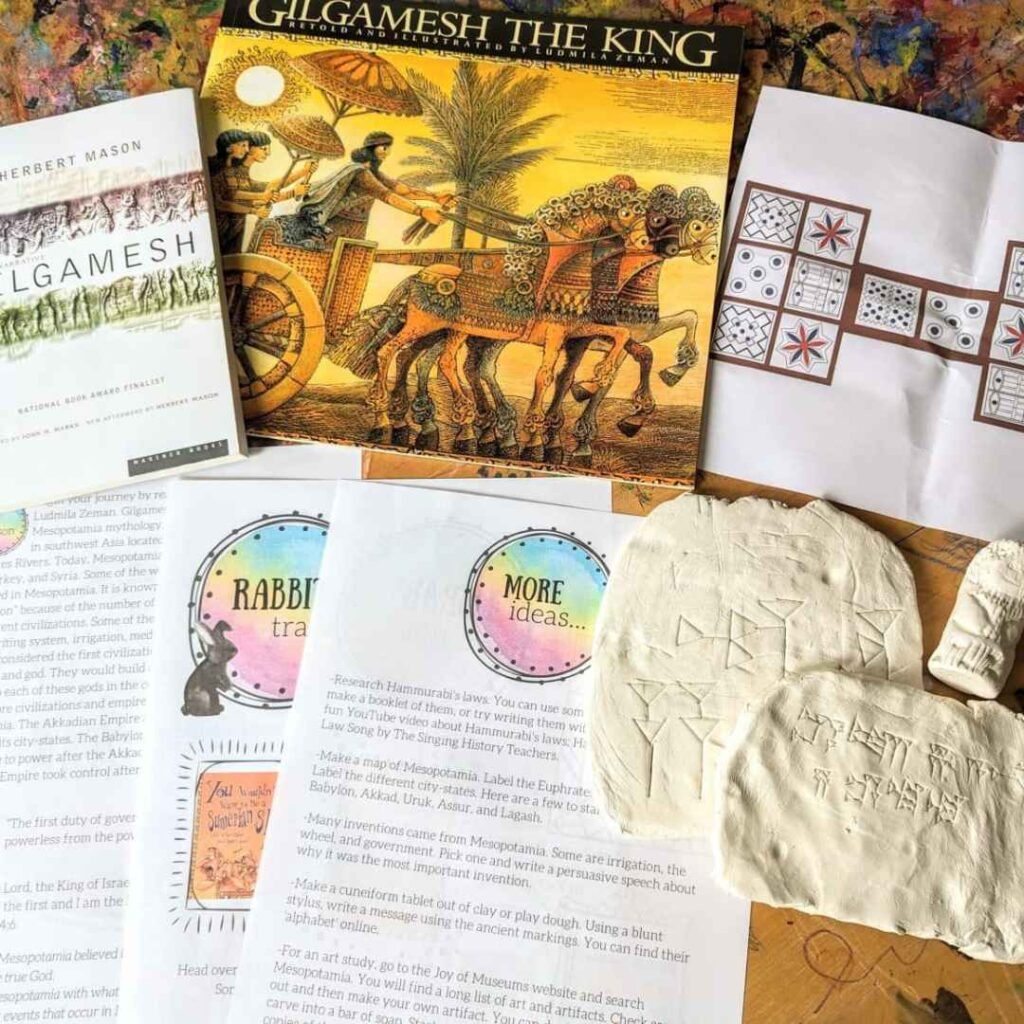
Ancient Civilizations – Most elementary-age kids learn about ancient civilizations at some point. There is lots of potential for discussion, books, and hands-on activities with this topic.
Rabbit Trails Homeschool offers an Ancient Civilizations curriculum that includes lots of book suggestions and hands-on projects. A co-op could either squeeze one ancient civilization into each lesson or spread it out over a few weeks by doing more of the activities.
Pioneers – Pioneers is another history topic that is frequently covered in elementary and middle school. Who can resist playing Oregon Trail with friends?
Art History – You can actually teach quite a bit of history through art history. Start by exploring artwork from different time periods. Learn about the artists and how people lived at that time. Then learn about the things that influenced art. Crafty kids might enjoy making their own artwork in the style of famous artists.

Last update on 2026-10-19 / Affiliate links / Images from Amazon Product Advertising API
American History – American History is frequently divided into categories such as colonial, pre-Civil War, and post-Civil War. It is a topic that is taught many times between kindergarten and high school, so you can tailor this homeschool co-op class idea to your specific co-op demographics.
World History – World History encompasses a WIDE variety of topics, cultures, and countries. It is nearly impossible to teach everything in one year. It can be taught with a textbook, living books, biographies, and videos. There are even hands-on activities available for young students.
Related: How My Family Used The Story of the World

Last update on 2026-10-19 / Affiliate links / Images from Amazon Product Advertising API
Electives
Child Development – Teens with an interest in a career working with children might be interested in a child development course.
Related: Child Development Curriculum
Personal Finance – I let my kids choose most of their high school electives, but I did require two classes – Personal Finance and Cooking. This personal finance course works really well in a homeschool co-op setting. In fact, my daughter took this class in our co-op, and my son took it at home with a few friends.
Beyond Personal Finance teaches finance topics such as budgeting, choosing health insurance, calculating taxes, buying a car, renting a home, and more. I liked that most weeks there were financial plot twists – just like real life!

Famous Artists – Children of all ages might enjoy learning about famous artists. They can study their works of art and then try to emulate the artist’s style.
Famous Inventors – Learning about famous inventors is a great way for kids to learn about history and science in one lesson.
The Rabbit Trails Homeschool Inventors unit covers inventors in 7 different time periods. Kids will learn about the inventors by reading good books and doing hands-on projects.

Chess – Chess is an excellent homeschool co-op class because it can be taught to any age. My son learned to play at home when he was 4. When he was 8, he took a chess class at our co-op. Now he is almost 15 and can regularly beat everyone in the family. A chess class also gives kids an opportunity to play with a variety of skill levels.
Games – Games is a great filler class. It can be added anytime you need a class to fill a time slot on your co-op schedule. It is a fun class that requires pretty much no planning. The co-op can provide the board games, or families can take turns bringing games to share.
Digital Art – Digital art is a great way for kids and teens to create artwork by using computer programs. It might even lead to a career in graphic design or marketing!
Painting – My daughter chose painting as her high school fine arts elective. We did this at home, but it would work just as well in a co-op setting. Just make sure students are working in an area that is easy to clean!
We used this How to Paint book. Each week, my daughter read the chapter and then did the painting project.

Last update on 2026-10-19 / Affiliate links / Images from Amazon Product Advertising API
Arts and Crafts – An arts and crafts class can be a great way for kids to try out a variety of different art media. You could focus on a type of art such as painting, clay, tile mosaics, etc or you could tie arts and crafts to holidays and seasons.
Life Skills – A life skills class is a great option for teens who are about to be on their own for the first time. They could learn things like how to grocery shop, car maintenance, planning a weekly schedule, how to apply for jobs, how to create a professional resume, and how to clean, etc.
Foreign Language – Foreign language is one of those classes that parents tend to want to outsource, so it is a great option for a homeschool co-op. This is especially helpful if your co-op has high school students who need a foreign language for college admission. Your co-op can offer multiple foreign languages each year as long as you find enough teachers. Some colleges will accept sign language as a foreign language, but that varies, so it is best to do your research early in high school.
Field Trips – A field trip class is perfect for informal co-ops. Parents choose the locations and take turns organizing the events. One of the nice things about field trips is that entire homeschool families can enjoy the activity together.
Related: 30+ Awesome Homeschool Field Trip Ideas
Survival Skills – My son took a survival skills class at our co-op in Washington. He loved it! It was quite popular. They learned things like how to find shelter, identify poisonous plants, and how to start a fire.
Nature Study – A nature study is essentially time to go outside and observe. It might involve going for a little walk. Usually, there is time to sketch what kids see. In order to make this work as a homeschool co-op class idea, you will need to meet in an area with an interesting outdoor space available.
Cake Decorating – A cake decorating class can be a sort of practical art class. Kids will learn the basics of cake decorating. Young children might stick to simple decorating ideas, while older students could learn different piping techniques.

Last update on 2026-10-19 / Affiliate links / Images from Amazon Product Advertising API
Business for Kids – Many kids dream of owning their own business, even if it is as simple as a dog walking business. A business class can help them understand what goes into being an entrepreneur.

Last update on 2026-10-19 / Affiliate links / Images from Amazon Product Advertising API
Photography – Photography is a great elective. Traditional photography courses typically require a DSLR camera. Good thing you don’t have to have a traditional photography class! Teens can learn the elements of a good photo with a cell phone camera. They could even learn photo editing skills beyond a filter.
Legos – Legos is a pretty broad category for an elective, but it is something many kids really enjoy. This can be a class where the primary purpose is to socialize, work on teamwork by building together, or even just provide child care for younger students while a parent is teaching a different class.
Coding – A middle school or high school coding class can be great if you have a parent or teacher who is comfortable with a coding language.
Psychology – Psychology is a common general education course in college, so it can be a useful high school elective. My daughter took the Literary Adventures for Kids Psychology course when she was in 11th grade. It definitely helped prepare her for her college Introduction to Psychology course.
Common Questions About Homeschool Co-op Classes
Who teaches homeschool co-op classes?
Typically, parents teach homeschool co-op classes. They sign up or volunteer to teach classes that they have experience with or a natural interest in. Sometimes groups hire certified teachers. I have noticed more certified teachers interested in teaching for homeschool groups in the last few years.
Who chooses a homeschool co-op class curriculum?
Typically, the homeschool co-op teacher selects the curriculum. Sometimes they purchase classroom rights to a curriculum, and other times they create a plan themselves.
Can I use any homeschool curriculum in a co-op?
You need to check the licensing for the curriculum. Some curriculum publishers allow their products to be used in a class or co-op setting. Others intend for their products to be used by a single family, but will sell a classroom license. Of course, you can always create your own curriculum, too.
What is the cost for the co-op?
Every co-op operates differently. Some are completely free because parents do all of the curriculum planning and teaching. Those groups usually meet in someone’s home.
Other groups may charge co-op fees that include money for:
- Curriculum
- Teachers
- Meeting space
- Insurance (some meeting spaces require this of any group renting space)
Where do homeschool co-op classes meet?
There are different ways to meet, based on your budget and space requirements. I have been part of co-op classes that met in people’s homes (we rotated), in churches, in a local park, and in community centers.
Who chooses the class topics?
The class topics are determined by the teachers. Homeschool parents can choose the topics if they are hiring a teacher for the co-op. The space may also influence the class topics. For example, a rented space will have restrictions on the type of mess or noise that can take place.
I hope this list of homeschool co-op class ideas helps you plan an amazing co-op for next school year!
As an Amazon Associate I earn from qualifying purchases.
Related Posts: